Articles

A Complete Guide to Home Renovation Permits in San Diego

Are you planning to upgrade your home in San Diego? Whether you are dreaming of a kitchen remodel or a backyard ADU in La Mesa, there is one thing you cannot overlook—home renovation permits. These permits may not be exciting, but they play a big role in making sure your project follows local laws and keeps your home safe. In this guide, you will learn when permits are required, what the process looks like, and how to avoid common mistakes. We will also share tips to help you move through the process more easily and get your remodeling project off to a solid start. Why Home Renovation Permits Matter in San Diego Before jumping into your remodel, it helps to understand what home renovation permits actually are. These permits are official approvals from the City of San Diego that say your project meets local building codes, zoning rules San Diego enforces, and all safety requirements. Homeowners sometimes wonder, “Do I really need a permit for this?” The short answer? If it changes the structure, electrical, plumbing, or layout of your home, you probably do. Permits matter because they: Keep your remodel safe Protect your home’s value Ensure compliance for future inspections Prevent stop-work orders or fines Once you understand this foundation, you will feel more confident planning each step of your house renovation. When Do You Need a Permit for Home Renovation? Wondering if your home project needs a permit? It depends on the type of work you are doing. In San Diego, any renovation that changes the structure, plumbing, or electrical systems usually requires a permit. Here are common projects that need home renovation permits: Building room additions or converting a garage into a living space Replacing a roof or removing load-bearing walls Installing or moving plumbing and electrical systems Full kitchen or bathroom remodels Simple updates like painting, changing floors, or installing new cabinets do not usually need a permit. If you are unsure, check with the San Diego Development Services Department. It is better to ask than to risk doing work that is not allowed. Understanding Zoning Rules and Plan Check Requirements in San Diego Before you get a permit, your project has to follow local zoning rules. These rules decide what you can build and where. For example, if you live in neighborhoods like Mission Valley or University City, you might have height limits, property line restrictions, or land use rules to follow. The city will review your project during the plan check. This step makes sure your plans follow all zoning, building, and safety codes. You will need to submit detailed drawings, usually done by a licensed contractor or architect. Want to speed up the process? Make sure your plans are clear, complete, and accurate. If the city finds problems, you will have to revise and resubmit. The Home Renovation Permits Process: Step-by-Step The process of getting home renovation permits in San Diego might seem complex at first, but it becomes manageable when you break it into steps. Create Your Plans: Work with a licensed contractor or architect to design your renovation. Submit the Application: Apply online or in person through San Diego’s Development Services Department. Wait for Plan Check: The city reviews your plans for zoning, safety, and code compliance. Receive Your Permit: If they approve everything, you get the green light to start work. Schedule Inspections: At key stages of the work, a city inspector will check the quality and safety. Final Approval: Once your project passes all inspections, the permit is closed. Each step can take time, so it is a good idea to build a flexible timeline. Still, planning will help avoid delays. What to Expect with Home Inspection Requirements Once you receive approval for your permit, the next significant step involves inspections. San Diego requires inspections at different stages to make sure the work meets safety standards. These checks help ensure everything is built up to code. Most projects include inspections for: Framing and structure Electrical and plumbing Insulation and drywall Final project completion If your project is in areas like Normal Heights or Serra Mesa, inspectors from the city will visit based on your timeline. They will look at the work, note anything that needs fixing, and give you the go-ahead to move forward. Thus, having a local contractor in San Diego, CA, who understands the local process makes the job much easier. Common Mistakes Homeowners Make with Permits Skipping permits might seem like a shortcut, though it usually leads to bigger problems. Unpermitted work can cause issues when refinancing, selling, or passing inspections. Other mistakes include: Starting work before receiving the permit Using outdated plans or missing details Hiring contractors unfamiliar with the city’s process Ignoring the remodeling compliance checklist from the Development Services Department In the end, avoiding these errors can save time and money. So, do the homework now to prevent headaches later. Costs, Timelines, and Tips for Faster Approval Permit costs vary based on your project size. A small electrical permit might cost less than $200. Larger jobs like room additions or full home remodeling could run several thousand dollars. Projects with concrete work or major structural changes often need extra approvals and inspections. So, how long does it all take? Small permits might be ready in a few days. Bigger projects can take several weeks, especially if revisions are needed. Here’s how to help things move faster: Submit clean, complete plans Answer questions from reviewers quickly Choose and contact a contractor who has experience with San Diego’s permit system Use the city’s online portal to track updates A little preparation goes a long way toward getting your permit approved sooner. General Contractor San Diego: Keeping Your Renovation Smooth and Compliant Are you tired of juggling contractors, permits, and timelines? Let Falcon Builders Group handle your renovation from blueprint to final inspection. As a local, licensed construction company, we know San Diego’s permit process inside and out. Whether it’s concrete work, custom kitchens, or

A Complete Guide to Home Renovation Permits in San Diego Read More »

Backyard remodeling ideas for maximizing small outdoor spaces

Backyard Remodeling Ideas for Small Outdoor Spaces

Do you feel like your yard is too small to enjoy or upgrade? You are not alone. Many homeowners across San Diego, from Clairemont to North Park, think a small backyard limits what they can do. The truth is, with the right backyard remodeling ideas, even tight spaces can become relaxing, beautiful, and functional outdoor retreats. Whether you want a cozy spot to unwind after work, a garden corner for weekend mornings, or a space to host friends and family, smart design can bring big changes without feeling cramped. Let us explore practical ideas that work well in a backyard makeover for small yards around San Diego and nearby neighborhoods. Backyard Remodeling Ideas: Use Your Vertical Space Instead of spreading out, think about building up. Vertical design adds visual interest without using extra square footage. Try mounting planters to a fence or installing a slim trellis against a wall. You can grow herbs, flowers, or climbing plants without giving up your precious ground space. That is a great fit for homes in Mission Hills or Hillcrest, where yards often sit close to property lines. Do you need storage? Hang tools or garden gear on a vertical wall panel, or install a narrow outdoor cabinet. These small changes make the yard feel open while still functional. After designing upward, let us focus on where you will sit and relax. Create a Comfortable Seating Area You don’t need a big space to enjoy an outdoor seat. Start by picking furniture that fits the size of your yard. Try a corner bench that hugs the edges of your fence or a foldable bistro table for weekend brunch. Choose benches with storage built in so you have a place to tuck away pillows, garden tools, or toys. Want a little shade? Add a small umbrella or a pergola to create a cool, comfortable zone. These touches work especially well in sunny areas like University Heights or Chula Vista. Once your seating is set, it is easier to figure out where you will store other things without cluttering the space. Make the Most of Smart Storage Small yard design often overlooks storage, despite its significant importance. It keeps your space neat and easy to use. Use furniture with multiple purposes, such as: A storage bench for cushions and tools A fold-down table for dining or gardening tasks Hanging shelves or wall hooks for keeping supplies off the ground In neighborhoods like South Park, where every inch counts, these smart moves help maintain an open feel while still staying practical. Now that everything has its place, let us brighten up the space and bring it to life. Backyard Remodeling Ideas: Add Light and Greenery Lighting changes how your yard feels, especially after the sun sets. Add string lights along a fence or drape them under a pergola to create a warm, welcoming glow. Use solar lights to highlight paths or garden beds. They are easy to install and work well in areas like La Mesa and El Cajon, where the sun shines often. For plants, mix tall greenery like bamboo or ornamental grasses with shorter shrubs and potted flowers. Choose native or drought-tolerant plants like succulents, which need little water and thrive in San Diego’s dry climate. When you combine smart lighting and layered plants, even a small yard feels lush and relaxing. Let us build on that by organizing your yard into zones. Define Zones with Simple Layouts Does your yard feel like one jumbled space? Breaking it into zones helps it feel more organized and more usable. Create a seating area, a landscaped garden zone, and a small storage spot. You can use materials like gravel, pavers, or wood tiles to separate these areas visually. For example, lay stepping stones from your back door to your seating zone, then use bark mulch in the garden corner. These details help create flow, even in narrow yards found in neighborhoods like Linda Vista or Golden Hill. Once you organize the layout, you may start thinking about a bigger remodel, one that pulls everything together. Thinking About a Full Small Backyard Remodel in San Diego? At some point, you may want more than surface updates. If you are ready for something bigger, a full remodel could help maximize your space. Projects like custom decking, pergola builds, or built-in seating take planning and experience. That is where a local expert comes in. Falcon Builders Group knows the ins and outs of small lot sizes, water restrictions, and what materials work best in San Diego’s climate. Whether you live near the beach or further inland, we can help create a small backyard that matches your lifestyle and needs, from choosing the right layout to installing features that last. Let us wrap up with a few tips to move from San Diego backyard design ideas to action. From Backyard Remodeling Ideas to Real Results So how do you turn your backyard remodeling ideas into a clear game plan that actually works for your space? First, grab a tape measure and sketch a quick layout of your yard. Then, list the things you want, like a garden with artificial grass, a lounge space, or a spot to entertain. Rank them by importance. Then take one step at a time. Add lighting or greenery first, then move on to seating or storage. If your space still doesn’t work the way you want, it might be time to bring in a pro. Small yards can still be great yards. With the right backyard remodeling ideas, even tight outdoor spaces in San Diego can feel open, useful, and enjoyable all year round. Call Falcon Builders Group Today Ready to transform your small backyard into a functional, beautiful outdoor space? Falcon Builders Group is a BBB-rated, Yelp-verified local contractor with a 5-star rating, proudly serving homeowners throughout San Diego, from North Park to Clairemont and beyond. Our team specializes in backyard remodeling that brings real value and comfort to your home, no matter the

Backyard Remodeling Ideas for Small Outdoor Spaces Read More »

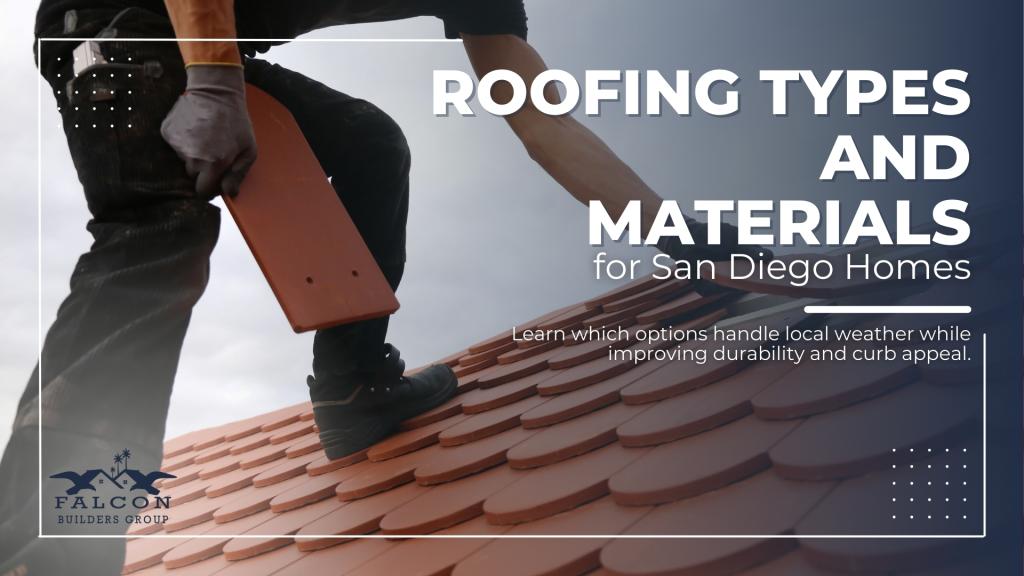
Installing roofing tiles, highlighting various roofing types and materials ideal for San Diego homes.

Roofing Types and Materials for San Diego Homes

  Choosing a new roof for your home in San Diego is a big decision. The roof needs to protect your home from the sun, salt air, and the occasional storm, while also looking great. With so many roofing types and materials available, it can be hard to know where to start. In this guide, we will break down the best roofing materials for San Diego homes. You will learn what works best for the local climate, how each material compares, and how to make a smart choice for your home and budget. Best Roofing Types & Materials for San Diego Homes Find the ideal roofing types and materials for your San Diego home, built to withstand local weather and enhance curb appeal. Clay Tile Roofing: A Local Classic That Lasts In San Diego, clay tile roofs are hard to miss. You will find them in areas like La Jolla, Mission Hills, and Coronado. These roofs are popular for their unique style and long lifespan. Clay tiles are strong and built to handle the heat. Their curved shape allows air to flow underneath, which helps reduce indoor heat during hot summer days. They also resist pests, moisture, and UV damage, making them a smart choice for homes near the coast. However, clay tiles are heavy. Some homes may need extra support to hold the weight. If your structure is ready for it, clay tile offers one of the longest-lasting roofing types and materials available in San Diego. Still looking for something lighter and better suited for energy savings? Let us move on to the next roofing options for coastal climates. Cool Roof Shingles: Made for Warm Weather If you are trying to keep your home cooler and your energy bill lower, cool roof shingles are a great option. These shingles reflect sunlight and absorb less heat. They work especially well in inland neighborhoods like Rancho Bernardo, El Cajon, or Poway, where summer temperatures are higher. Cool roof shingles, made from asphalt, come in many colors and styles. They are a good balance between performance and price. Most San Diego roofing contractors can install them right away, and they last for many years with minimal maintenance. These roof shingles are one of the most energy-efficient roofing options in San Diego for homeowners who want comfort and savings without changing the look of their home too much. Next, let us look at a stronger and more modern option. Metal Roofing: Durable, Stylish, and Lightweight  Metal roofing is becoming more popular in San Diego, especially for modern-style homes. It is a good fit for neighborhoods like Del Cerro or Encinitas, where homeowners want a clean, updated look with solid protection. This roofing material is made to last. A metal roof can hold up for 40 to 70 years with very little upkeep. It can resist wind, fire, and moisture—all important in a climate with coastal air and dry seasons. Metal is also lightweight, which means less stress on your home’s structure. If you are adding solar panels, this is one of the best roofing types and materials for long-term energy performance. Some homeowners worry about the price, but metal roofing can be a smart investment. It lasts longer than most materials and reduces maintenance costs over time. Now, let us talk about a classic, natural option that adds warmth and charm to older San Diego homes. Wood Shake and Shingles: Great Look, Local Character If your home has a historic or rustic feel, wood shakes and shingles might be a good match. They are a popular choice in areas like Kensington, Golden Hill, or older parts of North Park. Wood roofing offers natural beauty and solid insulation. It gives your home a warm, inviting look that other roofing materials in San Diego cannot match. In San Diego, wood roofing needs to be treated to meet local fire safety codes. It also requires regular maintenance to handle dry weather and seasonal changes. This option may not last as long as tile or metal, but it is a great choice for homeowners who care more about style and character than low maintenance. If you are looking for the most affordable solution, keep reading. Asphalt Shingles: Budget-Friendly and Versatile Asphalt shingles are one of the most common roofing types and materials in San Diego. They are especially popular with landlords, first-time homeowners, and anyone working with a tighter budget. These shingles are lightweight and come in many styles and colors. They are simple to install and easy to replace. Many homes in Clairemont, Allied Gardens, or College Area still use asphalt roofs because they work well and are cost-effective. Asphalt doesn’t last as long as tile or metal, but with good care, it can hold up for 15–30 years. That makes it a solid choice for homeowners who want a reliable roof without breaking the bank. Ready to narrow your choices? Let us break it down based on your home and your goals. How to Choose the Right Roofing Types & Materials for Your Home So, how do you decide which roof is best? Start by thinking about your location, home design, and budget. Here are some tips for choosing the right roofing types and materials in San Diego: Location matters: If you live near the coast, choose materials that resist salt and moisture, like metal or tile. Inland areas with more sun and heat may benefit from cool shingles or reflective metal. Style of your home: Spanish-style homes pair well with clay tile. Modern homes often look better with metal. Craftsman or cottage-style homes may suit wood shakes or shingles. Your budget: Asphalt shingles are affordable, while tile and metal offer longer value with higher up-front costs. Energy needs: Cool shingles and metal roofs with reflective coatings help lower cooling costs in warm months. Not sure which way to go? Let us talk about why working with a local contractor can help. Work With a Local Roofer Who Knows San Diego’s Roofing Types & Materials No matter

Roofing Types and Materials for San Diego Homes Read More »

A complete guide to outdoor kitchen pricing in San Diego, showing a modern stone outdoor kitchen with built-in appliances.

A Complete Guide to Outdoor Kitchen Pricing in San Diego

If you are dreaming of the perfect outdoor space where you can grill, host friends, or just relax under the San Diego sun, you are not alone. In fact, many homeowners across neighborhoods like La Jolla, Carmel Valley, and Point Loma are transforming backyards into stunning extensions of their homes. One question that always comes up? Outdoor kitchen pricing. Whether you are just starting to plan or ready to hire a builder, knowing the cost breakdown can help you make smart decisions. In this guide, we will walk you through everything that goes into outdoor kitchen pricing in San Diego, from materials and layout to permits and local labor rates. What’s the Average Outdoor Kitchen Cost in San Diego? So, let us start with the big question: how much does an outdoor kitchen cost in San Diego? On average, most homeowners spend between $12,000 and $25,000 for a mid-range outdoor kitchen. However, smaller setups can start around $6,000, while high-end, full outdoor living spaces can easily go beyond $50,000. What’s Included in That Price Range? Basic builds ($6,000–$10,000): Grill station, some counter space, maybe a sink Mid-range kitchens ($12,000–$25,000): Grill, countertops, fridge, storage, lighting, and plumbing Luxury outdoor kitchens ($30,000+): Custom design, premium appliances, built-in pizza ovens, bars, smart features, and full patio builds Keep in mind that outdoor kitchen installation cost depends not just on the appliances, but also on labor, permits, and existing infrastructure. Next, let us look at the key factors that affect the price. What Affects Outdoor Kitchen Pricing? Of course, not all outdoor kitchens are built the same, and neither are their price tags. From the size of your layout to the kind of grill you pick, even the smallest choices can still make a big difference in cost. Hence, knowing what drives the price can help you plan, avoid overspending, and get exactly what you want. So, let us take a look at what really impacts outdoor kitchen pricing in San Diego. 1. Size and Layout The bigger the kitchen, the higher the cost. A straight-line setup costs less than an L-shaped or U-shaped kitchen with multiple stations. 2. Materials Used Countertops, flooring, and framing all impact the price. For example: Stucco is budget-friendly Stone veneer looks amazing, but adds to the cost Granite or concrete countertops are durable but more expensive than tile 3. Appliances Adding just a grill costs much less than including a smoker, side burners, outdoor fridge, or pizza oven. Luxury appliances can significantly increase your backyard kitchen cost. 4. Utility Hookups Gas, water, and electric lines must be extended. The more utility work needed, the higher your outdoor kitchen installation cost. 5. Permits and Local Codes In areas like Encinitas or Chula Vista, permit requirements can vary. Always factor in permit fees and code-compliant construction. These factors all contribute to the final outdoor kitchen pricing, and this is indeed why working with a local pro helps you avoid surprises. Popular Outdoor Kitchen Styles in San Diego Neighborhoods Every part of San Diego has its own vibe, and so do the outdoor kitchens. North Park & South Park: Trendy, space-saving kitchens with minimalist designs La Jolla: High-end outdoor kitchens with ocean-view setups Clairemont: Practical, family-style layouts with plenty of storage and shade East County (like Santee or El Cajon): Rustic or Mediterranean-inspired designs Thus, choosing a design that fits your neighborhood and home style keeps your investment smart and your home value high. So, how do you plan your budget? How to Plan Your Outdoor Kitchen Budget Wisely Before you commit to anything, take time to map out your must-haves versus nice-to-haves. Think about how you will actually use the space. Here’s how to budget in a way that keeps you in control and avoids mid-project surprises at the same time. Step 1: Start with a Base Budget Decide what you are comfortable spending overall, then break it down into: Appliances (40%) Construction + materials (30%) Labor and permits (20%) Contingency fund (10%) Step 2: Make a Must-Have List Focus on what you will actually use: Grill or smoker? Refrigerator or ice chest? Bar seating or prep space? Step 3: Talk to Outdoor Kitchen Builders A licensed contractor like Falcon Builders Group can help walk you through local costs, layouts, and material options. You will get a more accurate estimate customized to your backyard and goals. With the right plan, you can get the outdoor kitchen you want without blowing the budget. Should You Go Custom or Modular? This question comes up all the time, and it makes sense. Custom builds offer full creative control, while modular options save time and money. But which one fits your needs best? Let us walk through the differences so you can make the smart choice for your San Diego home. Modular Outdoor Kitchens Prefab units or kits Lower cost Faster to install Less flexibility in layout and materials Custom Outdoor Kitchens Designed to fit your yard, style, and needs Higher cost More options for materials, appliances, and finishes Longer build time If your yard has tricky angles or you want something that blends perfectly with your home, a custom build is often worth the investment. Choosing the Right Outdoor Kitchen Builders in San Diego Not all contractors are created equal. A solid build that lasts through San Diego’s salty air, heat, and outdoor conditions requires experience and local knowledge. When comparing outdoor kitchen builders, ask: Are they licensed and insured in California? Do they have experience with full outdoor living projects? Can they help with permits and utility work? Do they offer design services? At Falcon Builders Group, we specialize in outdoor kitchen installation across San Diego County, from Carlsbad to Chula Vista. Our team helps you plan, design, and build a space that’s beautiful, durable, and ready for weekend grilling or family gatherings. Outdoor Kitchen Builders Near Me: Build Smart with Falcon Builders Are you ready to upgrade your backyard? Adding an outdoor kitchen is indeed one of the best ways

A Complete Guide to Outdoor Kitchen Pricing in San Diego Read More »

Finding the Best Home Addition Contractors in San Diego

  Adding space to your San Diego home can significantly enhance your lifestyle. Whether you dream of a larger kitchen, a spacious master suite, or a home office, a well-executed home addition can transform your living space. However, finding the right contractors is crucial for a successful project. Here’s what to consider when searching for “home addition contractors San Diego”: 1. Experience and Expertise: Look for contractors specializing in home additions. Check for relevant licenses and insurance. Read online reviews. Consider Falcon Builders Group. 2. Project Planning and Communication: Inquire about their design and planning process. Assess their communication style. Ask about their project management approach. 3. Quality of Workmanship: Request to see examples of their previous work. Inquire about their use of high-quality materials. Ask about their subcontractors. 4. Budget and Timeline: Obtain detailed estimates from multiple contractors. Discuss potential budget variations and how they will be handled. Inquire about their estimated project timeline and their ability to adhere to it. 5. Client Testimonials: Read online reviews and testimonials from past clients. Request referrals from friends, family, or neighbors who have recently completed home additions. Finding the right home addition contractors in San Diego is crucial for a successful project. By carefully considering the factors above and conducting thorough research, you can find a qualified team to bring your vision to life. Consider contacting Falcon Builders Group to discuss your home addition project and experience their commitment to quality and customer satisfaction. Disclaimer: This information is for general guidance only and should not be considered professional advice. Note: When searching for “home addition contractors San Diego,” you can also use relevant keywords like “home additions San Diego,” “room additions San Diego,” “residential additions San Diego,” or “home remodeling contractors San Diego.” I hope this blog post helps you in your search for the best home addition contractors in San Diego!

Finding the Best Home Addition Contractors in San Diego Read More »

A Deeper Dive into Roofing Underlayment: Felt vs. Synthetic

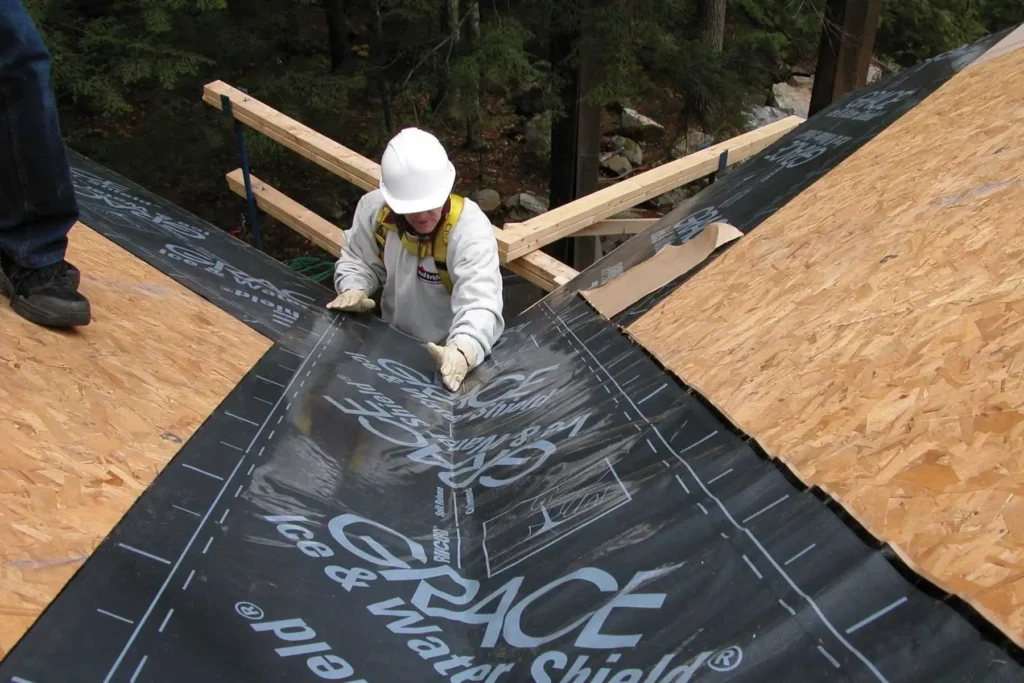
A Deeper Dive into Roofing Underlayment: Felt vs. Synthetic     The Unsung Hero of Your Roof While shingles and tiles often steal the spotlight, the underlayment plays a crucial role in your roof’s protection. This hidden layer, installed beneath the visible roofing material, safeguards your home from water damage, wind-driven rain, and other weather-related issues. It’s a critical component that often goes unnoticed but significantly impacts your roof’s longevity and performance. Understanding the Options: Felt vs. Synthetic Two primary types of roofing underlayment dominate the market: felt and synthetic. Felt Underlayment: A Traditional Choice Felt underlayment, a traditional option, has been used for decades. It’s typically made from organic or fiberglass mat saturated with asphalt. Pros: Cost-effective: Felt underlayment is generally more budget-friendly compared to synthetic options. Cons: Susceptibility to Water Damage: Felt can absorb water, especially when exposed to rain or moisture for extended periods. This can lead to rotting, tearing, and reduced effectiveness. Vulnerability to Tearing: Felt is prone to tearing, particularly during installation or in high-wind conditions. Weight: Felt underlayment can be heavier than synthetic options, making it more difficult to install, especially on steep roofs. Limited Warranty Coverage: Some roofing manufacturers may limit warranty coverage if felt underlayment is used. Synthetic Underlayment: A Modern Solution Synthetic underlayment, a more recent innovation, is made from durable, water-resistant materials like polypropylene or polyethylene. Pros: Superior Water Resistance: Synthetic underlayment offers excellent resistance to water penetration, protecting your home from moisture damage. Durability: It’s more resistant to tearing, punctures, and UV degradation, ensuring long-lasting performance. Lightweight: Synthetic underlayment is typically lighter than felt, making installation easier and faster. Increased Roof Life: By providing superior protection, synthetic underlayment can contribute to a longer roof lifespan. Improved Worker Safety: Many synthetic underlayments have slip-resistant surfaces, enhancing safety during installation. Cons: Cost: Many synthetics are competitively priced, but when compared to felt, the main drawback of synthetic roofing underlayment is the cost. The upfront investment in higher quality roofing materials, however, could save you money down the road. You can’t put a price on the peace of mind knowing that your roof is sufficiently protected from moisture. Key Factors to Consider When Choosing Underlayment Climate: In regions with heavy rainfall or harsh weather conditions, a synthetic underlayment can provide superior protection. Roof Pitch: Steeper roofs may benefit from a more durable underlayment like synthetic. Roofing Material: The type of roofing material you choose can also influence the best underlayment option. Budget: While synthetic underlayment may have a higher initial cost, it can offer long-term savings due to its durability and resistance to damage. Local Building Codes: Check with local building codes to ensure compliance with specific requirements and recommendations. The Role of a Qualified Roofing Contractor  A skilled roofing contractor can assess your specific needs and recommend the most suitable underlayment for your project. They can also provide expert installation to ensure optimal performance and longevity. Conclusion While the underlayment may be hidden from view, it plays a critical role in your roof’s overall performance. By understanding the differences between felt and synthetic underlayment, you can make an informed decision that will protect your home for years to come. Remember: A well-installed underlayment, combined with high-quality roofing materials and professional installation, is the key to a durable and reliable roof. Let us help you with your project, call us at (858) 869 0150 or visit our website or click here for a free consultation!

A Deeper Dive into Roofing Underlayment: Felt vs. Synthetic Read More »

Essential Home Upgrade Tips for San Diego Homeowners

Essential Home Upgrade Tips for San Diego Homeowners As a San Diego homeowner, you’re fortunate to live in a beautiful climate. However, to truly enjoy your home year-round, it’s important to consider some essential home upgrades. Here are some tips to help you maximize your home’s potential: Energy-Efficient Upgrades Insulation: Proper insulation can significantly reduce energy costs and improve comfort. Consider upgrading your attic, walls, and floors with high-quality insulation materials. Energy-Efficient Windows: Replacing old, drafty windows with energy-efficient ones can help lower energy bills and improve indoor air quality. Sealing Air Leaks: Seal any air leaks around doors, windows, and ductwork to prevent energy loss and improve your home’s overall efficiency. Outdoor Living Spaces Landscaping: Invest in professional landscaping to enhance your property’s curb appeal and create a beautiful outdoor living space. Patio or Deck: Add a patio or deck to your backyard for outdoor dining, entertaining, and relaxation. Outdoor Kitchen: An outdoor kitchen can elevate your backyard experience, allowing you to cook and entertain outdoors. Pool or Spa: A pool or spa can be a great way to cool off and relax on hot San Diego days. Interior Upgrades Kitchen Remodel: A kitchen remodel can increase your home’s value and improve your daily living experience. Consider upgrading appliances, countertops, cabinets, and flooring. Bathroom Remodel: A bathroom remodel can transform your bathroom into a luxurious retreat. Upgrade your fixtures, tiles, and cabinetry to create a spa-like atmosphere. Smart Home Technology: Incorporate smart home technology to control your lighting, thermostat, and security system with ease. Roofing and Gutters Roof Inspection: Schedule regular roof inspections to identify and address potential issues before they become major problems. Roof Replacement: If your roof is aging or damaged, consider a replacement to protect your home from the elements. Gutter Cleaning and Maintenance: Clean your gutters regularly to prevent water damage and ensure proper drainage. By implementing these home upgrade tips, you can improve your home’s energy efficiency, comfort, and overall value. If you’re considering a major home improvement project, be sure to consult with a qualified contractor to ensure the work is done correctly. Falcon Builders Group can help you with all of your home improvement needs. Our team of experienced professionals is dedicated to providing top-quality workmanship and exceptional customer service. Contact us today to schedule a consultation.    Call us at (858) 869 0150 or visit our website or click here for a free consultation or Schedule your project today! Happy Renovating!

Essential Home Upgrade Tips for San Diego Homeowners Read More »

Find the Best Home Improvement Contractor in San Diego

Find the Best Home Improvement Contractor in San Diego   Your role as a homeowner is to select the most qualified contractors and professionals for your project Your vision for a transformed kitchen, a luxurious bathroom oasis, or a stunning deck extension dances in your head. But before the sledgehammers swing and the paintbrushes fly, a crucial first step awaits: finding the perfect San Diego home improvement contractor. This guide equips you with the knowledge and resources to navigate the San Diego contractor landscape with confidence. Why Hiring the Right Contractor Matters A skilled and reliable contractor is the cornerstone of any successful home improvement project. They translate your vision into reality, ensuring quality work, adherence to deadlines, and open communication throughout the process. Here’s why choosing the right contractor is paramount: Quality Workmanship: A reputable contractor possesses the expertise and experience to deliver high-quality craftsmanship that lasts. This translates to a beautiful and functional finished product that adds value to your home. Project Management: Managing a renovation involves juggling subcontractors, materials procurement, and staying on schedule. A skilled contractor keeps everything organized, ensuring a smooth and stress-free experience for you. Safety: Construction inherently carries safety risks. A qualified contractor prioritizes safety protocols and ensures all workers have the necessary training and equipment. Permits and Regulations: Navigating building permits and adhering to local regulations can be a maze. The right contractor handles all the necessary paperwork, saving you time and potential headaches. Qualities of a Top-Notch San Diego Contractor Now, let’s delve into the hallmarks of a San Diego contractor who will exceed your expectations. Licensing and Insurance: Licensing: In California, all contractors performing work exceeding $500 must hold a valid California State License Board (CSLB) license. Verify the contractor’s license number on the CSLB website (https://www.cslb.ca.gov/onlineservices/checklicenseII/checklicense.aspx) and ensure it’s active and matches the specific type of work you need. Insurance: The contractor should possess adequate general liability and workers’ compensation insurance. This protects you from financial liability in case of accidents or property damage during the project. Experience and Expertise: Years in Business: A contractor with a long track record of successful projects in San Diego signifies experience and a proven ability to deliver quality work. Project Portfolio: Requesting a portfolio allows you to visually assess the contractor’s past work and see if their style aligns with your vision. Look for projects similar to yours in terms of scope and complexity. Specialization: While some contractors offer general home improvement services, others specialize in specific areas like kitchens, bathrooms, or decks. Consider a specialist if your project demands a high degree of expertise in a particular field. Communication and References: Clear Communication: A good contractor actively listens to your needs, clearly explains the project plan, and consistently keeps you updated throughout the process. Positive References: Request and verify references from previous clients. Talking to past clients gives valuable insights into the contractor’s communication style, work ethic, and ability to meet deadlines. Getting Quotes and Making Your Choice Once you’ve identified a few potential contractors, it’s time to gather quotes. Here are some tips for this crucial step: Detailed Scope of Work: Create a detailed document outlining your project in clear terms. This helps ensure all contractors are providing bids for the same work. Multiple Quotes: Obtain quotes from at least three different contractors. This allows you to compare pricing, understand different approaches, and choose the best value for your budget. Don’t Just Chase the Lowest Price: While cost is important, the lowest quote isn’t always the best option. Prioritize experience, qualifications, and communication fit over a slightly lower price tag. Beyond the Basics: Additional Considerations While the above factors are essential, consider these additional elements for a well-rounded decision: Online Reviews: Read online reviews on platforms like Google Reviews, Yelp, and the Better Business Bureau (BBB). However, remember that online reviews can be subjective, so take them with a grain of salt. Professional Associations: Membership in reputable professional organizations, such as the National Association of the Remodeling Industry (NARI) or the San Diego Chapter of the California Building Industry Association (CBIA), can signify a commitment to quality and ethical practices. The Final Steps: Signing a Contract and Project Commencement Once you’ve chosen your ideal contractor, it’s time to solidify the agreement. Contract Review: A thorough contract review is crucial. Ensure all details are clearly outlined, including the scope of work, timeline, payment schedule, material specifications, warranty information, and termination clauses. Consult a lawyer if needed, especially for complex projects. Project Start: Prior to construction commencing, obtain a written confirmation from the contractor that all necessary permits have been secured. This protects you from potential delays or stop-work orders. Building a Positive Contractor Relationship A successful home improvement project hinges on clear and open communication between you and your contractor. Here are some tips to foster a positive working relationship: Regular Communication: Maintain regular communication with your contractor, asking questions and expressing any concerns promptly. Project Updates: Establish a preferred method and frequency for receiving project updates. This might be weekly email updates or brief on-site discussions at the end of each workday. Change Orders: As projects unfold, unforeseen circumstances may necessitate changes to the original plan. If any adjustments arise, discuss them thoroughly with your contractor and obtain a formal “change order” document outlining the agreed-upon modifications and cost adjustments before any work commences. Payment Schedule: Adhere to the agreed-upon payment schedule outlined in the contract. Timely payments demonstrate your commitment to the project and maintain a positive working relationship with the contractor. Enjoying Your Transformed Space With a well-chosen contractor by your side and clear communication throughout the process, your home improvement project should culminate in a beautifully transformed space that exceeds your expectations. Take time to appreciate the craftsmanship and functionality of your newly renovated kitchen, bathroom oasis, or deck extension. Bonus Tip: Maintaining Your Investment Once the project is complete, proper maintenance is crucial to ensure your home improvement investment endures. Discuss maintenance routines with your

Find the Best Home Improvement Contractor in San Diego Read More »

Creative Solutions to Transform Your Sloping Landscape

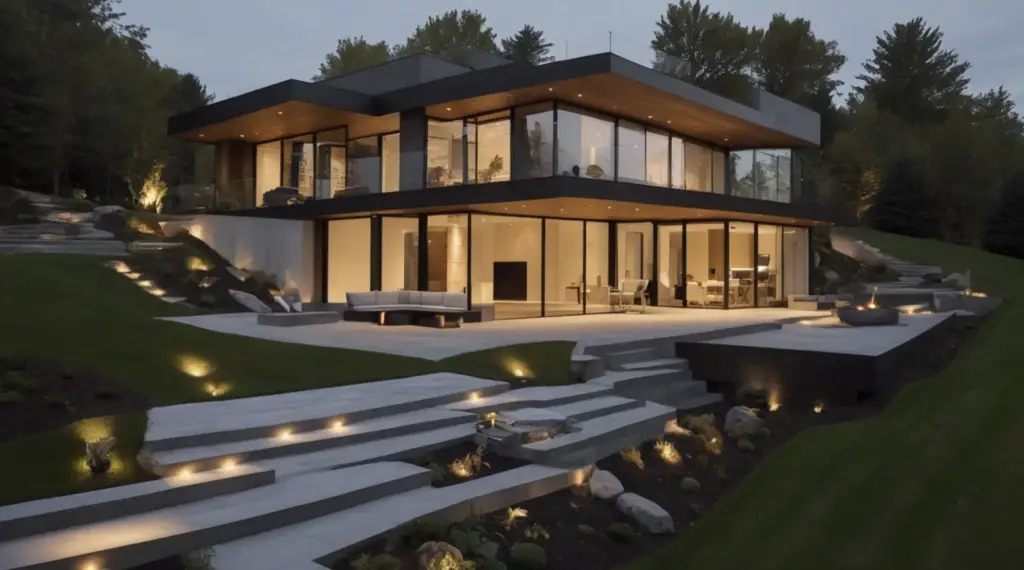
Creative Solutions to Transform Your Sloping Landscape   Does your backyard boast a dramatic slope that seems more like a challenging obstacle than a usable space? Don’t despair! Slopes, while presenting unique challenges, can be transformed into stunning and functional outdoor havens with a little creativity and construction expertise. This blog post dives deep into the world of slope solutions, exploring various construction methods and design ideas to help you turn your sloping terrain into a beautiful and enjoyable part of your property. 1. Understanding Your Slope: Assessment and Considerations Before embarking on any project, a thorough understanding of your slope’s characteristics is crucial. Here’s what you need to consider: Slope Grade: Measure the angle of the slope. Gentle slopes (less than 15 degrees) offer more flexibility, while steeper slopes require more substantial solutions. Soil Composition: Knowing your soil type will influence the construction methods and retaining wall materials best suited for your project. Sandy soils tend to drain well, while clay soils require additional drainage solutions. Drainage Patterns: Identify existing water flow patterns and potential drainage issues. Proper drainage is crucial to prevent erosion and ensure the stability of your slope. Local Regulations: Check with your local building department to understand any permitting requirements or limitations regarding slope modifications. 2. Retaining Walls: The Pillars of Stability Retaining walls are essential for creating usable space on slopes by holding back soil and preventing erosion. They come in various materials and styles, each with its own advantages: Segmental Retaining Walls: These versatile walls are constructed from precast concrete blocks that offer a clean and modern aesthetic. They are relatively easy to install and come in a range of colors and textures. Natural Stone Retaining Walls: For a rustic and timeless look, natural stone retaining walls add a touch of elegance to your landscape. They require skilled craftsmanship for installation, but offer unmatched durability and visual appeal. Treated Timber Retaining Walls: Wood walls are a cost-effective option for smaller slopes. However, they require regular maintenance and have a shorter lifespan compared to other materials. Pro Tip: Consult with a licensed contractor to determine the most suitable retaining wall material and design for your specific slope and desired aesthetic. 3. Terracing Your Way to Functionality Terracing involves creating leveled platforms on your slope, forming a series of “steps” that provide usable space. This method is particularly well-suited for steeper slopes: Level Creation: Retaining walls or stacked stone walls are used to create leveled areas at different elevations on the slope. Functionality and Beauty: Each terrace can be designed for a specific purpose, like a patio for entertaining, a raised garden bed for vegetables, or a fire pit seating area. Connecting the Levels: Steps, ramps, or winding pathways can be incorporated to connect the different terraces, promoting easy access and movement throughout the space. Pro Tip: Terracing allows for creative water features like cascading waterfalls or koi ponds integrated with different levels, adding a touch of tranquility and visual interest. 4. Embrace the Slope: Creative Solutions for Gentle Inclines For less dramatic slopes, several creative solutions can maximize functionality and create a visually appealing landscape: Swale Gardens: These sunken garden beds follow the natural contours of the slope, adding visual interest and capturing rainwater for plant irrigation. Sloped Lawns: With proper drainage and grass selection, even moderate slopes can be transformed into green, walkable lawns. Mow across the slope, not up and down, to prevent erosion. Walking Paths and Stairs: Meandering pathways or strategically placed stairs can guide movement across the slope while adding a decorative touch. Consider using natural materials like flagstone or wood for a rustic feel. Pro Tip: Playgrounds with slides or climbing structures can be seamlessly integrated into gentle slopes, creating a fun and adventurous space for children. 5. Landscaping for Stability and Beauty Landscaping plays a crucial role in slope management by preventing erosion and enhancing aesthetics. Here are some landscaping tips for slopes: Planting Strategies: Opt for deep-rooted plants and ground covers that help hold soil in place. Choose drought-tolerant plants that require minimal watering, especially on sunny slopes. Mulch Magic: Apply a layer of organic mulch around your plants to retain moisture, suppress weeds, and prevent soil erosion. Gabion Walls: These baskets filled with stones or recycled materials can be used to create retaining walls with a natural and ecological aesthetic. Water Features with Caution: While water features can add a tranquil element, be cautious on slopes as they might contribute to erosion. Consult a professional to ensure proper drainage and construction. 6. Living with Your Slope: Maintenance Tips for Long-Term Success Transforming your slope into a functional and beautiful outdoor space is just the first step. Here are some essential maintenance tips to ensure its long-term stability and enjoyment: Regular Inspections: Visually inspect your retaining walls, drainage systems, and landscaping for any signs of damage or erosion, especially after heavy rains. Proactive Maintenance: Address minor cracks in retaining walls or drainage issues promptly to prevent more significant problems down the line. Seasonal Maintenance: Trim overgrown vegetation, clear debris from drainage channels, and replenish mulch as needed throughout the year. Professional Assistance: For complex slopes or major repairs, consult with a qualified contractor or landscape professional to ensure the safety and integrity of your slope solutions. Conclusion: From Obstacle to Oasis Slopes don’t have to be a liability – they can become stunning and functional outdoor spaces with a little creativity and planning. By understanding your specific slope characteristics, exploring retaining wall options, and implementing creative solutions like terracing or swale gardens, you can transform your challenging terrain into a valuable extension of your living area. Remember, proper drainage, landscaping strategies, and ongoing maintenance are crucial for the long-term success of your slope project. With the right approach, your once-unusable slope can become the star of your backyard, adding beauty, functionality, and endless possibilities for outdoor enjoyment. Ready to Conquer Your Slope? If you’re looking to transform your sloping landscape into a usable and beautiful outdoor

Creative Solutions to Transform Your Sloping Landscape Read More »

Designing your dream backyard

Designing your dream backyard Your backyard – a place for relaxation, entertainment, and creating cherished memories with family and friends. But what if it currently falls short of its potential? If your backyard feels neglected, underutilized, or simply doesn’t reflect your lifestyle, then a full remodel might be the answer. This guide is here to equip you with the knowledge and tools to transform your backyard from bland to grand, step-by-step. 1. Envision Your Dream Backyard Before diving into specifics, take a step back and dream! Visualizing your ideal backyard space is crucial for guiding your design choices. Here are some questions to spark your imagination: What activities do you envision yourself doing in your backyard? Do you dream of hosting barbecues, relaxing by a fire pit , creating an urban oasis, or cultivating a vegetable garden? Who will be using the space? Consider if your backyard needs to cater to children, pets, or large gatherings. What kind of atmosphere do you want to create? Do you prefer a tranquil escape, a vibrant entertainment space, or a blend of both? Pro Tip: Create a mood board! Utilize online tools like Pinterest or physical boards to collect images, color palettes, and design elements that inspire you. 2. Assess Your Space and Needs Now, let’s get down to practicalities. Carefully analyze your existing backyard: Measure and map your space: Knowing the dimensions of your yard is essential for planning features and furniture placement. Sun exposure: Identifying sunny and shady areas is crucial for plant selection and choosing the ideal location for patios or decks. Drainage: Understanding the existing drainage patterns will help avoid flooding issues and determine the need for additional drainage solutions. Existing features: Take inventory of existing elements like trees, patios, or fencing. Decide if they can be integrated into your new design or require removal. Pro Tip: Sketch a basic layout of your backyard, noting important things like property lines, existing structures, and any challenges you might encounter. 3. Zoning Your Backyard for Functionality Divide your backyard into functional zones based on your envisioned activities. Here are some common areas to consider: Entryway and pathway: Create a welcoming entrance that sets the tone for your backyard. Gathering and entertaining zone: This could include a patio, deck, or fire pit area for socializing. Relaxation and lounging area: Consider comfortable seating, hammocks, or swings for quiet moments. Dining area: This could be a dedicated patio with a dining table or a flexible space that can be used for dining when needed. Play area: If you have children or pets, dedicate a space for play equipment, a sandbox, or a splash pad. Gardening zone: Planter beds, vegetable gardens, or a dedicated herb section can add beauty and functionality. Storage solutions: Think about sheds, built-in storage benches, or creative solutions like disguised storage under a deck. Pro Tip: Prioritize your zones based on your needs and available space. You don’t need to include every zone, but ensure the ones you choose are well-planned and connected seamlessly. 4. Choosing the Right Materials and Features Now that you have a vision and a plan, it’s time to delve into the exciting world of materials and features! Flooring: Patios: Concrete, pavers, flagstone, and composite materials are popular choices, offering a range of aesthetics and durability. Decks: Wood, composite wood, or even metal can be used, each with its own advantages and maintenance requirements. Seating and Shelters: Patios: Consider furniture sets, benches, and hammocks to create comfortable seating areas. Contact Falcon Builders Group today at (858) 869 0150 for a free consultation or here and let’s discuss how we can turn your backyard dreams into reality! We look forward to helping you create your perfect backyard escape!

Designing your dream backyard Read More »

Luxury Home Remodeling

Start Your Project

Request a Custom Estimate